Have you ever seen someone behave in a way that you simply couldn’t understand?
As if they were living in an entirely different world — one where logic doesn’t seem to exist. As if the gap in perception between you and them was just too vast.
Once, my younger sibling and I watched a post about a woman who had been abused by her husband for years. She was the main breadwinner of the family, had two small children, and despite all the pain she endured, she still said she “loved her husband” and “couldn’t leave him.”
My friend, frustrated, asked:
“Why would anyone think like that? Why not just walk away?”
That question lingered in my mind.
Why do some people believe absurd things they see online?
Why do some stay in relationships that clearly hurt them?
Why do some only talk about themselves and never really listen?
And then I realized — maybe it’s not that they’re “stupid.” Maybe they’re simply operating under an entirely different system of perception.
Each person sees the world through a different pair of eyes — shaped by their own perception.
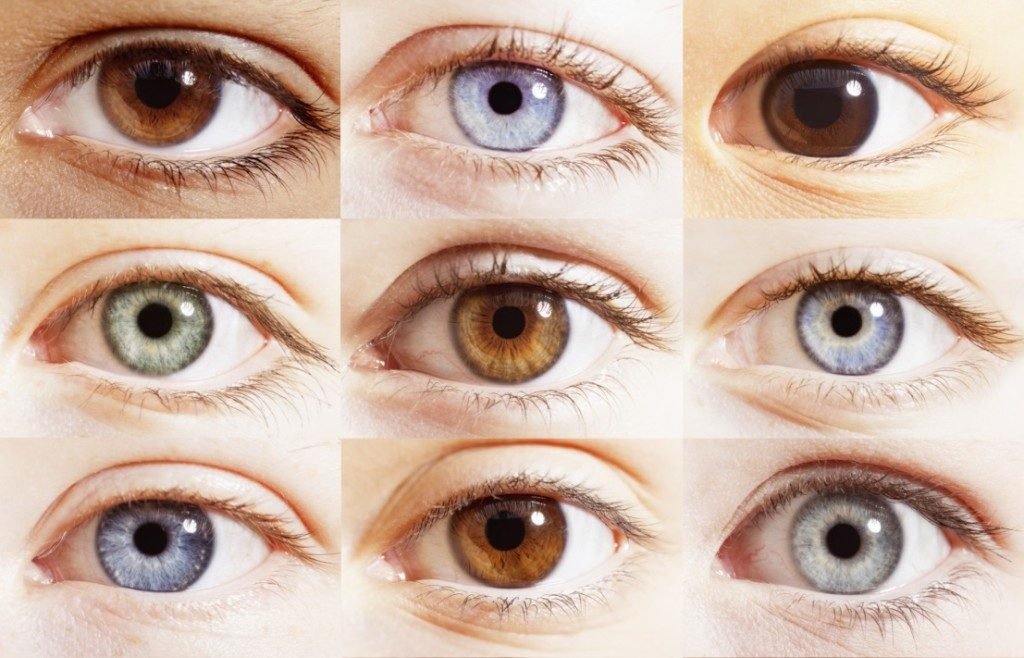
Each person lives in their own “private world” — one that only they can truly see.
Science explains this through differences in genetics and past experiences, which together form a unique filter for each individual. These filters shape how we see, feel, and react to the same situation.
Một câu truyện đã khiến tôi hiểu sâu sắc về việc này. Một người đàn ông ngồi trên xe buýt để con mình phá phách, khiến ai cũng khó chịu. Nhưng khi có người nhắc nhở ông hãy để mắt tới lũ trẻ, ông ngước lên với đôi mắt đỏ hoe rưng rưng nói:
“We just came back from the hospital… Their mother just passed away. I don’t know how to tell them.”
Khoảnh khắc ấy, cảm xúc của mọi người thay đổi hoàn toàn. Từ bực mình sang đồng cảm, thương xót.
Our world is only as wide as what we know — and behind every confusing action lies a life we haven’t yet seen.
So perhaps, when something or someone seems hard to understand, there’s a story behind it.
Two people can look at the same scene and see entirely different worlds.
And from that, I’ve realized — no one is truly irrational.
Each of us is just using a different map to navigate the same city.
One person sees a straight path, another sees a dead end. One sees ease, another sees despair — and each has their own reason.
Knowledge – perception – perspective: these form the limits that everyone carries.
We often forget that human perception has its limits.
No one possesses enough information, experience, or knowledge to understand everything.
Many people don’t even realize they’re wrong — simply because they’ve never been exposed to a different perspective.
They live by the “map of the world” they have — and though that map may be small, it’s everything they believe to be true.

So perhaps, instead of judging, we can learn to be more understanding and compassionate toward the so-called “fools.”
When we realize that each person is a result of their genes, memories, experiences, and limits of perception — judgment fades away.
Not everyone has the same conditions to think the way we do. And no one needs to be like us to deserve respect.
Compassion doesn’t mean accepting what’s wrong — it means understanding where it comes from.
When we understand, we can wish others peace — while keeping our own peace intact.
There’s no need to fix anyone, no need to play the “savior.”
Just know your limits, stay grounded in your emotions, and keep walking — with a quiet smile.
Conclusion
There is no one in this world who is truly “foolish.”
There are only people living within the boundaries of their own perception and experience.
When we learn to see others through the lens of understanding, we become not only more compassionate — but also free ourselves from anger, contempt, and helplessness.
And that is the truest way to grow — in a world built on differences.
—–
Linkachu – Someone who has battled weight for nearly 20 years and is currently exploring the “eat fully, still lose weight” method.
This is my Facebook! LinkachuMC
Learn more about me at Linkachu.net
 English
  Vietnamese