Everyone wants to work with better focus and learn faster, without forcing themselves into rigid methods. The truth is: high productivity doesn’t come from doing more, but from understanding yourself better.
Below are 4 small habits that I’ve tested, measured, and applied consistently. The result: longer focus time, less mental fatigue, and work getting done much faster.
Tracking time: understanding your own focus cycle
I used to try the Pomodoro method (25 minutes of work – 5 minutes of break), but it didn’t fully suit me. Sometimes I was in a flow and had to stop, and other times I hadn’t even warmed up before the time was over.
So I switched to a simpler approach: tracking time with Toggl Track. It’s a completely free website, and you can sync it across multiple devices.

How I do it:
- Start working → start the timer
- Lose focus or want to rest → stop the timer
- Record the actual focused time
- After a few days, I noticed something very interesting:
- The first focus session of the day is always the longest
- After that, focus gradually decreases
From there, I was able to identify my own personal work cycle, instead of forcing myself to follow someone else’s 25-minute schedule.
You can try tracking your time for a few days to see:
- How long can I focus at my best?
- After how long does my brain start to feel tired?
- When should I take a break to come back as effective as before?
Once you understand this, you can optimize your work time without pushing or forcing yourself.
Walking for 10–15 minutes without a phone or music
It sounds simple, but the results are genuinely surprising.
Whenever my brain feels stuck, I:
- Put my phone away
- Don’t listen to music
- Just walk for 10–15 minutes
- Do nothing else—just walk
The result:
My brain feels reset. A new work cycle starts and is almost as effective as the first one of the day.
This is one of those “old but gold” habits: giving your brain real space, instead of switching from one screen to another.
Meditating for 5 minutes before starting a work session
I used to think meditation was something very “spiritual” and difficult, but in reality, it only takes 5 minutes of sitting still, closing your eyes, and breathing calmly. With meditation, the mind cools down and resets. Naturally, your productivity increases significantly afterward.
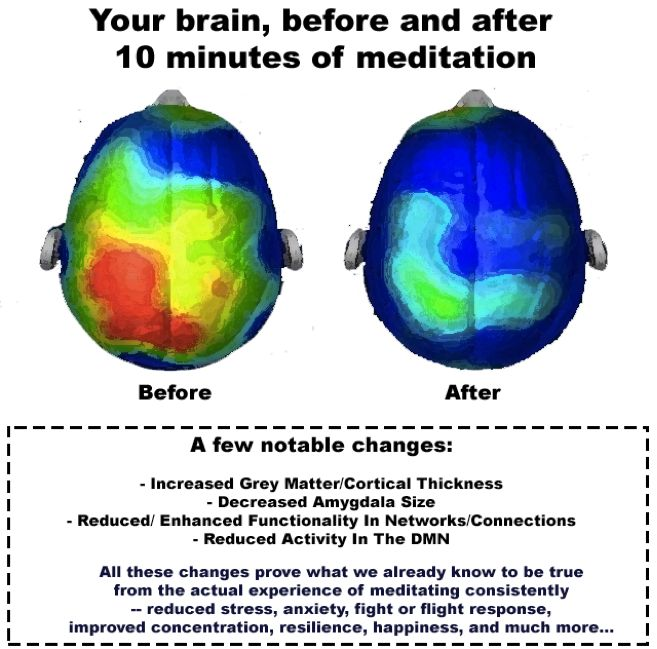
I tested this three times with three different subjects, under the same conditions and with the same time measurements.
Result: learning speed increased by about 1.5 times.
If you find it hard to sit and meditate, there’s an easier way:
- Go outside
- Find a tree or a leaf
- Look at it for just 1–2 minutes
The goal is not to “meditate correctly,” but to bring your mind into a calm state before doing deep work.
Writing down tasks and handling only one task at a time
Before starting, I always write down:
- What needs to be completed
- Choose only one task to work on during that cycle
- When a new idea pops up or I get distracted while working, I don’t follow it right away. I write it down on paper and set it aside.
This helps me:
- Avoid breaking my focus
- Let my mind relax because “the idea has been saved”
- Finish the main task faster
- After the task is done, I go back to that list and deal with the other items.
Conclusion
Not everyone fits into one universal productivity formula.
True productivity comes from understanding your own natural rhythm, then building habits around it.
You don’t need to do more.
You just need to work the right way, at the right time, in your own rhythm.
You just need to work the right way, at the right time, in your own rhythm.
Linkachu — someone who battled weight issues for nearly 20 years and successfully experimented with a method of eating fully and nutritiously while still losing weight, without exercising.
Ready to accompany and support career orientation and development positioning for people aged 18–33..
This is my Facebook! LinkachuMC
Learn more about me at Linkachu.net


 English
  Vietnamese