When a room is messy, we can see it. Clothes are piled on a chair, papers are scattered across the desk, and belongings take up every corner of the space.
But digital clutter is different. It shows up as thousands of photos you never look at again, hundreds of unread emails, dozens of muted group chats, countless videos saved to “watch later,” and an endless stream of information on social media.
We can’t see it, but our brains still have to process it every day.
Every notification is a small interruption. Every time we switch from work to social media and back again, we spend mental energy. Every piece of content we consume without a real purpose takes away a bit of our limited attention.
Over time, these small things build up into the feelings of tiredness, distraction, and overwhelm that many people experience today. The ironic part is that most of us don’t need more information. We need less.
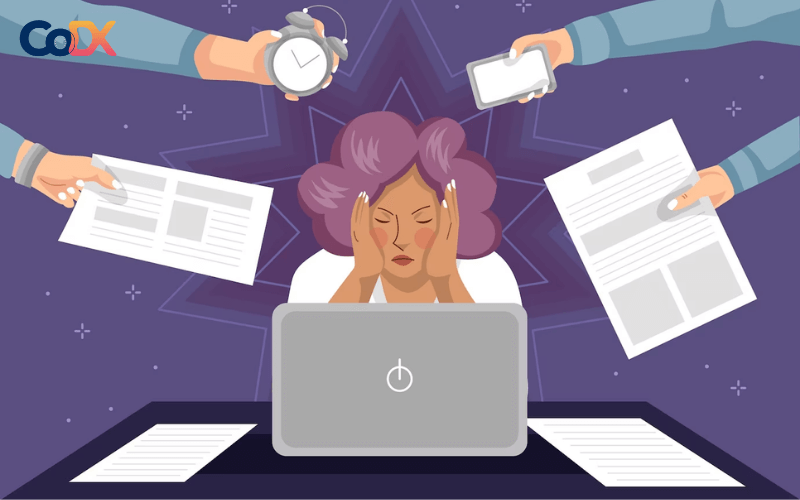
If you often feel mentally overloaded, struggle to focus, or pick up your phone out of habit without a clear reason, try these 7 steps to detox your phone and regain control of your attention.
Signs That Digital Clutter Is Draining Your Energy
- Checking your phone as soon as you wake up.
- Opening your phone and forgetting why you picked it up in the first place.
- Feeling busy all day but not remembering what you actually got done.
- Having thousands of photos but rarely looking at them again.
- An inbox filled with hundreds of unread emails.
- Following too many pages, groups, or content channels.
- Struggling to focus on work for long periods of time.
- Often feeling drained after scrolling through social media.
- Feeling anxious when you haven’t checked your phone for a while.
If you relate to three or more of these signs, digital clutter may be affecting you more than you realize.

Before you begin, prepare a notebook or a note-taking app. After each step, tick it off and write down a few simple observations about what you noticed.
This will make it easier to complete all 7 steps without forgetting or giving up halfway through. The goal is not to use your phone as little as possible, but to use it more intentionally.
Step 1: Take a Look at Your Current Phone Habits
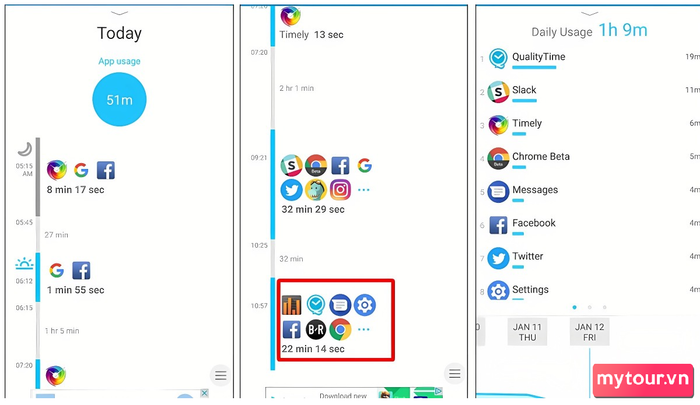
Before changing anything, understand your current situation.
- Your total daily screen time.
- The 3 apps you use the most.
- How many times you unlock your phone each day.
- The time of day when you use your phone the most.
Then write down:
- What surprised you the most?
- Are you using your phone more than you thought?
- Which apps are taking up most of your time?
Don’t judge yourself. Just observe.
Step 2: Identify Your Biggest Sources of Distraction
Not every app is a problem. Ask yourself:
- Which app takes up the most of your time?
- Which app is hard to stop using once you open it?
- What type of content leaves you feeling tired afterward?
Write down your top three distractions. They might be:
- TikTok.
- Facebook.
- YouTube Shorts.
- Constantly active group chats
- News or entertainment content
Before you can change your habits, you need to know what is taking away your attention.
Step 3: Reduce Unnecessary Noise
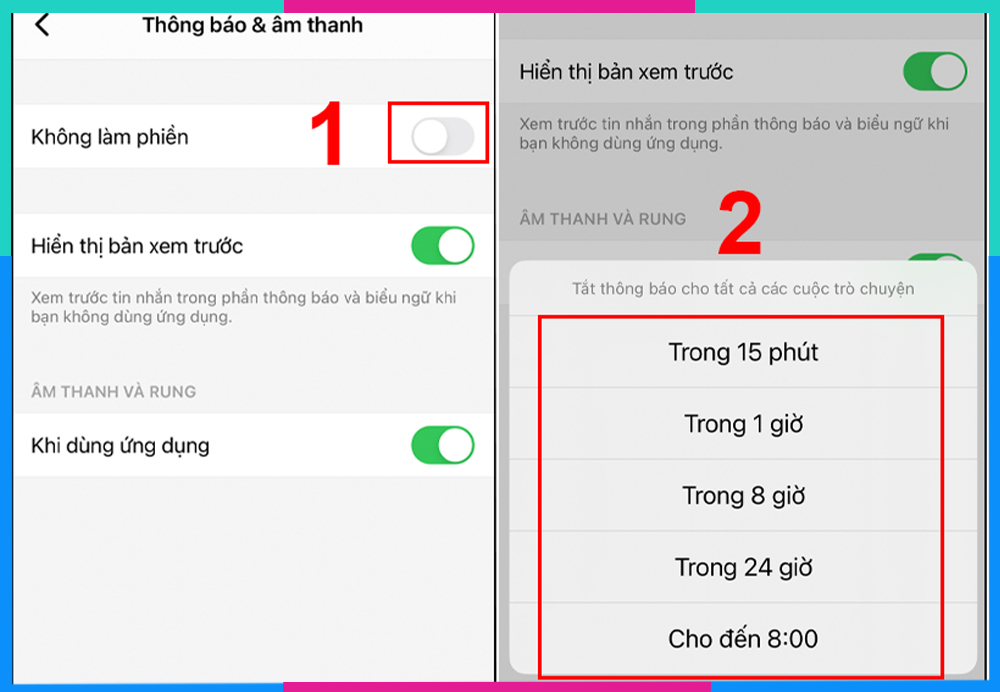
Turn off notifications that are not truly important.
- Phone calls
- Important personal messages
- Work-related notifications
Remove:
- Social media notifications
- Promotional offers
- News alerts
- Game notifications
- Apps that don’t need an immediate response
- Unimportant group chats
Step 4: Create Distance from Your Most Addictive App
Choose the app that consumes the most of your time.
- Remove the app for 24 hours.
- Log out of your account.
- Move it away from your home screen.
During that time, pay attention to:
- Do you look for the app automatically?
- Do you miss the content or just the feeling of being entertained?
- What did you do with the extra time?
This is often the step that helps people understand their habits most clearly.
Step 5: Set Up Screen-Free Time
Choose at least one fixed period each day, such as:
- The first 30 minutes after waking up
- During meals
- While talking with other people
- One hour before bedtime
During this time, do not use your phone. Write down:
- What makes you want to reach for your phone?
- Do you feel uncomfortable or relaxed?
- What did you do instead?
Step 6: Clean Up Your Digital Space
Now it's time to deal with the clutter that has been piling up. Spend about 30 minutes:
- Deleting unnecessary photos and videos
- Deleting unnecessary photos and videos
- Leaving group chats that no longer add value
- Unfollowing accounts that drain your time or energy
- Deleting apps you no longer use
Afterward, write down:
- What did you remove?
- How do you feel seeing a cleaner digital space?
Step 7: Redesign Your Relationship with Your Phone
After completing the previous steps, review all your notes. Ask yourself:
- What is taking away most of my attention?
- Which changes had the biggest impact?
- How do I want my phone to serve my life?
Then create 3–5 personal rules, such as:
- No phone during meals.
- No social media before completing important work.
- No phone in the bedroom.
- Social media only during specific times of the day.
- One digital cleanup day each month.
Write these rules down.
Because the real goal is not simply to finish a 7-step challenge. The goal is to build habits that help you stay focused in the long run. After completing these 7 steps, what you gain may be more than just a cleaner phone.
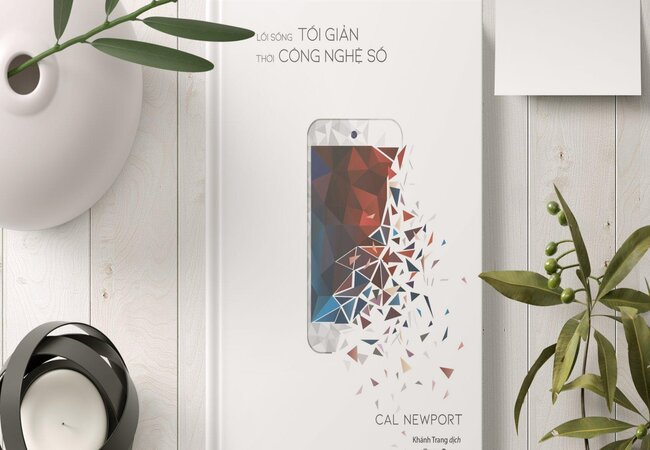
You may realize that your attention has been spread across too many things at once. Too many notifications, too much content, too many conversations, and too much information—most of which isn't truly important.
And that is exactly what minimalism is about. Many people think minimalism is only about owning fewer things. But from a broader perspective, minimalism is the ongoing practice of asking:
"Does this really add value to my life?"
That question can apply to a shirt in your closet, an item in your home, an app on your phone, a group chat, or a daily social media habit.
Digital minimalism is not the destination. It is simply one way to practice minimalism in an age where attention is becoming an increasingly scarce resource.
When we remove unnecessary things from our digital lives, we do not just reclaim time. We also regain the ability to focus on what truly matters to us.
And perhaps that is the greatest value of minimalism: Not living with less. But making more room for what truly matters.

If you want to understand minimalism more deeply from a practical and relatable perspective, you can read books by Chi Nguyen or explore The Present Writer – A Minimalist Blog that Maximizes Your LifeHer work does not force a rigid lifestyle model, but gently guides readers through everyday experiences to help them discover what is “enough” for themselves. It is a soft yet practical approach that can help you begin your own minimalist journey in a personal and sustainable way.
—————
Linkachu — someone who battled weight issues for nearly 20 years and successfully experimented with a method of eating fully and nutritiously while still losing weight, without exercising.
Ready to accompany and support career orientation and development positioning for people aged 18–33..
This is my Facebook! LinkachuMC
Learn more about me at Linkachu.net



 English
  Vietnamese