Minimalism is gradually becoming a lifestyle that attracts more and more young people. However, it is often misunderstood as living with deprivation, owning very few things, or forcing yourself to give up all material needs.
In reality, minimalism is not about “the less, the better.” It is a lifestyle focused on removing unnecessary things in order to create more time, energy, and focus for what truly matters.
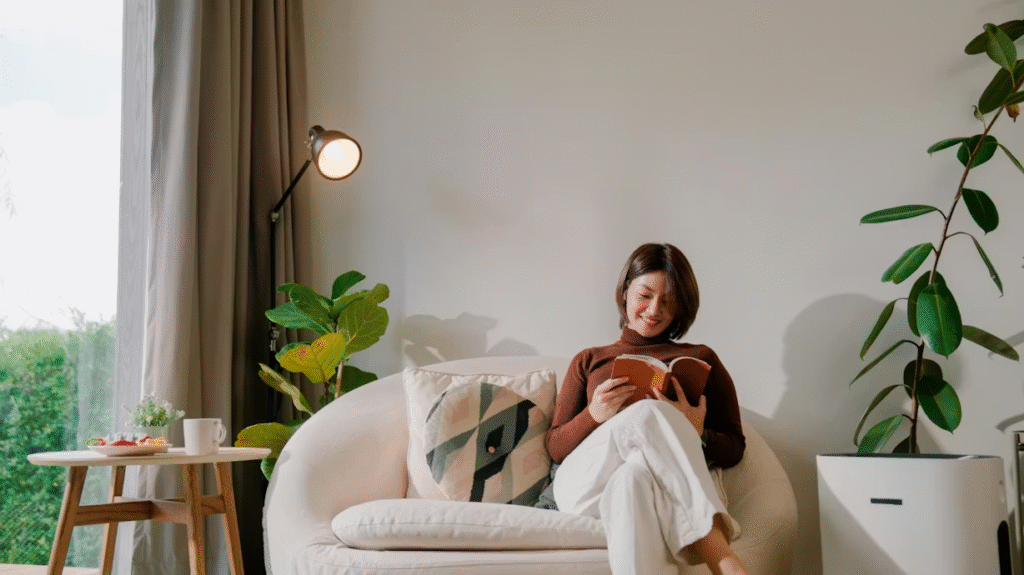
Many studies on consumer behavior show that when people are surrounded by too many choices and too many possessions, the brain can easily become mentally overloaded. That is why the biggest change that comes from minimalism is sometimes not a cleaner house, but a lighter mind.
Reducing mental overload by making fewer decisions
Every day, the human brain has to process countless small decisions: what to wear, what to eat, what to buy, whether to keep or throw something away, or whether to order another item just because it is on sale.
These seemingly small choices actually consume a significant amount of mental energy. In psychology, this state is called “decision fatigue,” the exhaustion caused by having to make too many decisions continuously.
A very common example is having a wardrobe full of clothes but still spending a long time every morning deciding what to wear. Meanwhile, Mark Zuckerberg is almost always seen wearing the same gray T-shirt and jeans. He once shared that he wanted to reduce unnecessary small decisions each day in order to save energy for more important work.
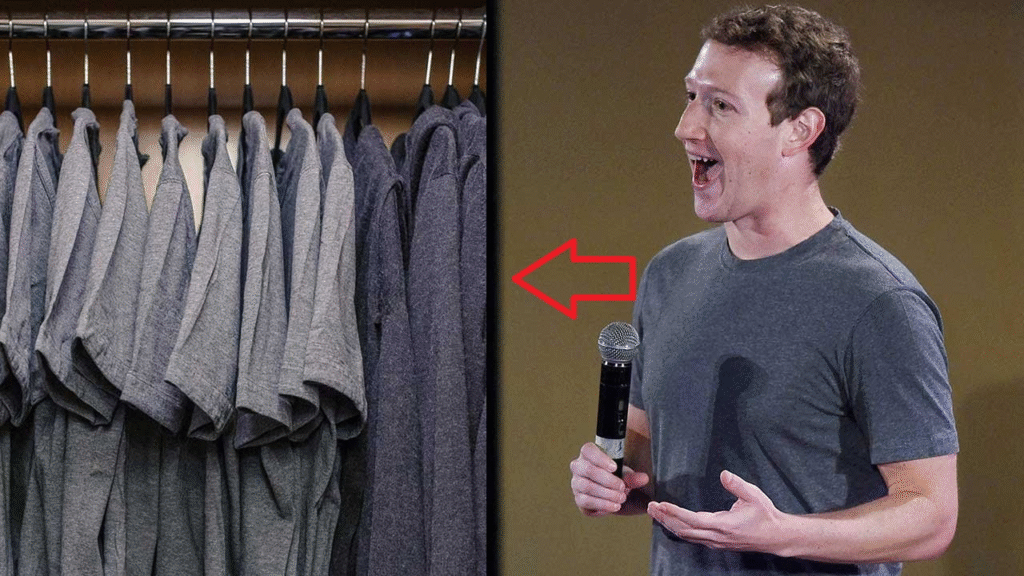
This is also the principle behind the “capsule wardrobe,” a simplified wardrobe with fewer items that are easy to combine and truly fit personal needs.
When unnecessary choices are reduced, the brain has more energy for important things. Many mornings, my mind became completely exhausted simply because I got caught scrolling through Shopee and looking at discounted skincare deals, while there were still unopened products sitting in my cabinet. That morning, I traded money, time, and mental energy for absolutely nothing in return.
Spending less while feeling more fulfilled
Many people eventually realize that most of their shopping does not come from real needs, but from emotions: stress, boredom, wanting to reward themselves, or simply seeing other people own the same things.
Social media has made consumption highly emotional. Sometimes, just a few review videos or a new trend can instantly create the feeling:
“Maybe I need this too.”
A very common example is continuously buying skincare, decor items, or trendy clothes, only to end up barely using them. These things may create short-term excitement, but they are often quickly forgotten afterward.
When people begin practicing minimalism, many change the way they shop by asking simple questions: “Do I really need this?” “Do I need to buy more things just to match this item?” “When will I realistically use this?”
And interestingly, when people buy less, many actually start feeling more fulfilled than before. Not because they own more, but because they begin appreciating and making better use of what they already have.
A cleaner living space creates a calmer mind
The living environment directly affects a person’s mental state. A room filled with too many things constantly forces the brain to process visual information: unfolded clothes, unfinished paperwork, unused purchases, or items kept “just in case they might be useful someday.”
Long-term clutter can create a sense of overload that many people do not even realize. That is why after reorganizing their living space, many people often feel: more focused, less likely to procrastinate, able to sleep better, and less “randomly exhausted.”
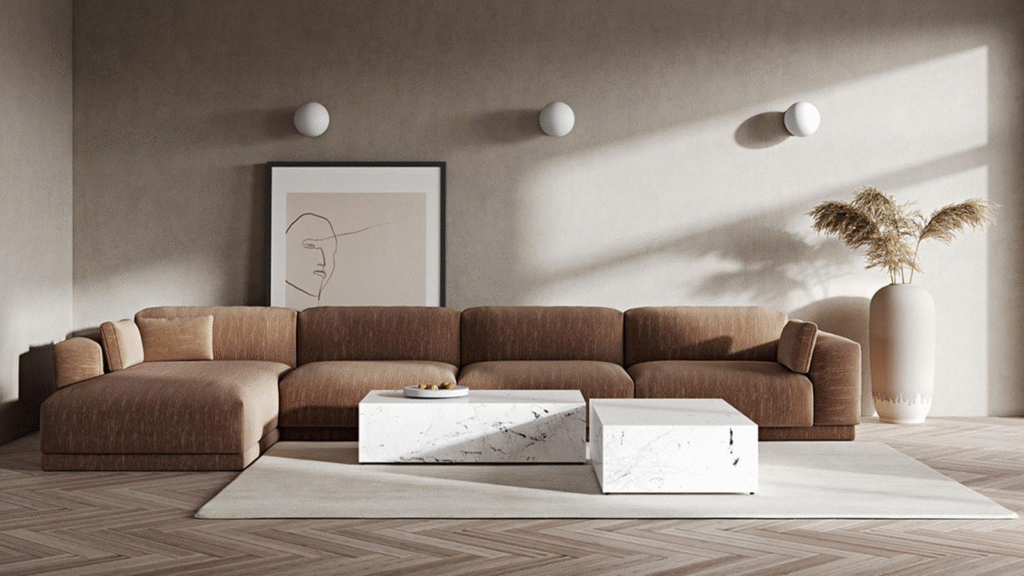
Minimalism does not only free physical space, but also reduces “mental noise.”
Having more time for what truly matters
Possessions do not only take up space. They also create: cleaning time, organizing time, maintenance time, and mental energy spent thinking about them.
Very familiar examples include:
- The more clothes you own → the more time you spend washing and organizing them
- The more decor items you have → the more effort cleaning requires
- The more “maybe useful someday” items you keep → the more storage management they create
Many people only realize how much time they spend managing possessions after they begin simplifying their lives. By removing excess, they gain more time for: reading, exercising, resting, caring for family, or simply slowing down.
Being less affected by comparison with others
One of the biggest pressures in modern society is the feeling that: “I am still not enough.”
Today, people unconsciously use possessions to measure personal value: a new phone, new clothes, an attractive lifestyle, a beautiful home.
But when following a minimalist lifestyle, many people return to a more basic question: “Not beautiful enough, not successful enough, not owning enough, not living like other people online.”
“What actually matters for my own life?”
Minimalism does not make people lose ambition. It simply reduces the need to constantly chase other people’s expectations and standards.
Finding it easier to focus on long-term goals
One major benefit of minimalism is that it helps people focus more clearly on their real goals.
Many people do not lack goals. They are simply too distracted: emotional spending, trend-driven consumption, constantly being pulled into short-term desires.
For example:
Someone may want to save money to learn new skills, travel, or invest in their future, but every month they spend large amounts on unnecessary small purchases. Individually, each item may seem insignificant, but together they continuously delay long-term goals.
When people begin practicing minimalism, many start changing how they spend money and use their time by asking:
“Does this actually support the life I want to build?”
And this question applies not only to money, but also to: time, work, relationships, and mental energy.
Minimalism does not automatically make people more successful. But it prevents personal resources from becoming overly scattered, and that makes achieving goals feel much clearer. Time, focus, mental energy, and a sense of fulfillment in life.

Conclusion
Minimalism is not about living with as little as possible. Its true purpose is removing unnecessary things to keep more of what truly matters.
Sometimes, what makes a person finally feel lighter is not gaining many new things.
If you want to understand minimalism more deeply from a practical and relatable perspective, you can read books by Chi Nguyen or explore The Present Writer – A Minimalist Blog that Maximizes Your LifeHer work does not force a rigid lifestyle model, but gently guides readers through everyday experiences to help them discover what is “enough” for themselves. It is a soft yet practical approach that can help you begin your own minimalist journey in a personal and sustainable way.
—————
Linkachu — someone who battled weight issues for nearly 20 years and successfully experimented with a method of eating fully and nutritiously while still losing weight, without exercising.
Ready to accompany and support career orientation and development positioning for people aged 18–33..
This is my Facebook! LinkachuMC
Learn more about me at Linkachu.net


 English
  Vietnamese