There was a period when I was very interested in exploring male and female psychology. Not just through books, but also through the men I had met, worked with, loved, and listened to.
I used to think men were really hard to understand. Why, when I was sad, did they offer solutions instead of comfort? Why, when something happened, did they disappear for a few days and then come back as if nothing had happened? Why were there things I considered very important, but they saw as normal?
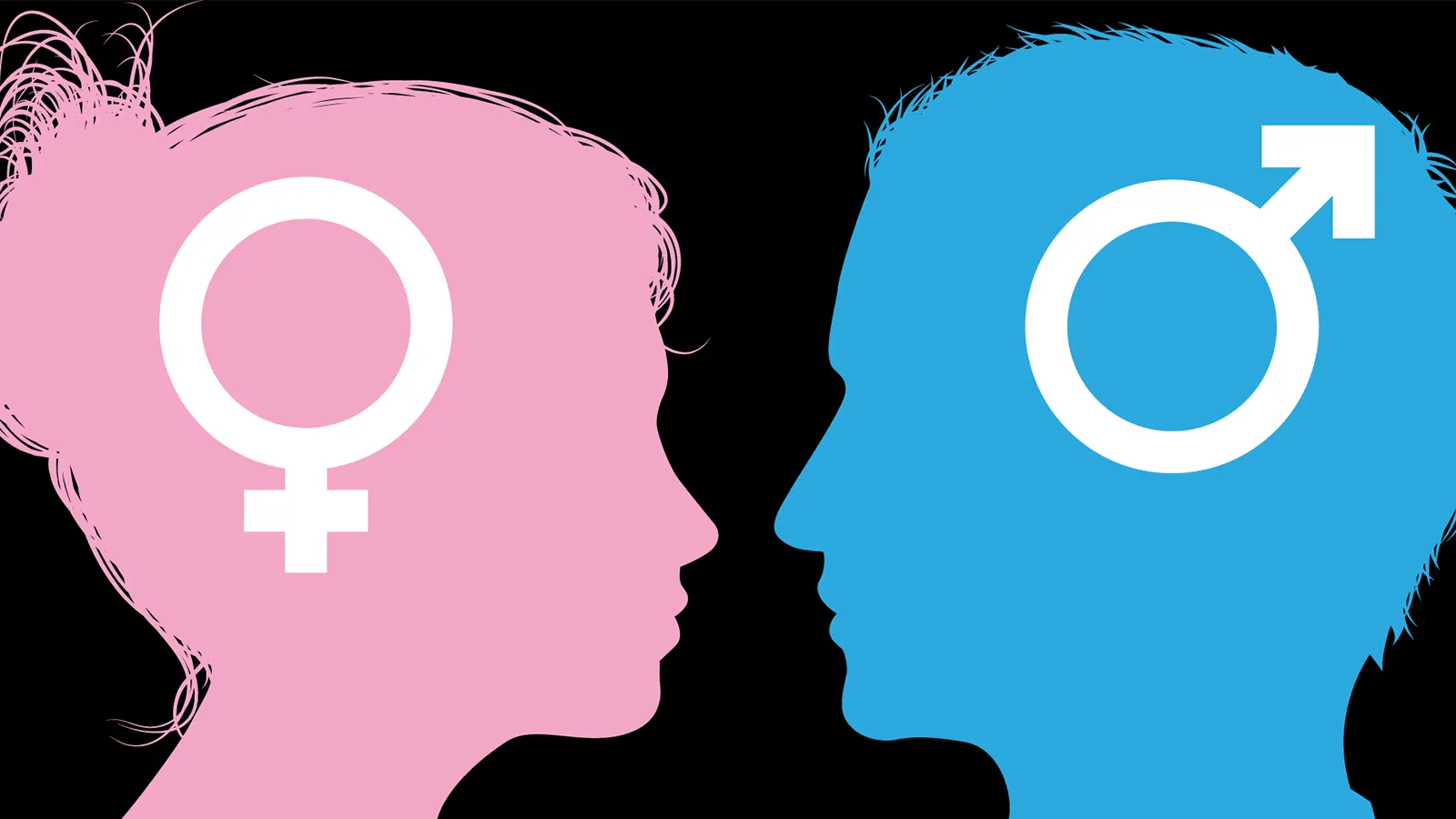
Until I read Men Are from Mars, Women Are from Venus,I realized something interesting: maybe men and women are not intentionally hurting each other. We are simply looking at the world through two very different lenses. John Gray describes men as coming from Mars and women from Venus. Of course, this is just a metaphor, but after years of observation, I found that some things in this book are surprisingly accurate.
Men want to solve problems, women want to be heard
This is probably the most common difference. A woman comes home from work and says, “Today was a really bad day.” In her mind, she might be thinking, “I just need you to listen to me.” But in the man’s mind, it becomes, “How do I fix this?” And so he starts giving a series of solutions.
The woman feels unheard. The man thinks he is helping. Many arguments actually begin from very small misunderstandings like this.
When under pressure, men often withdraw

In the book, John Gray calls this “the cave.” I’ve noticed this in many men. When work runs into problems, when there is financial pressure, or when they feel like they have failed, they tend to talk less, text less, and want to be alone.
Women often see this and think: “He doesn’t care about me anymore.” But in many cases, that is not true. The man is simply trying to deal with his own battle. Interestingly, the more women love, the more they want to get closer, while the more pressure men feel, the more space they need.
Men value trust, women value care

Many women think love means frequent checking in. Many men think love means working hard to fulfill their responsibilities.
A man may work late into the night to secure the future. Meanwhile, a woman may just hope for a simple text: “Have you eaten?” Neither is wrong. They are simply using two different languages of love.
Women remember details, men remember goals

I once asked a male friend: “Do you remember the first time you two met?” He took a few minutes to recall it. But his girlfriend could remember the exact day, time, outfit, and even the first sentence.
It’s not that men are careless. It’s that they tend to focus more on outcomes and goals than emotional details. Meanwhile, women tend to remember emotionally meaningful things for a long time.
Men appreciate recognition more than instructions
One thing I’ve learned after many years of observation is that men are very sensitive to feeling judged, especially when someone constantly tells them what to do.
Many women think they are being helpful. But men feel they are not trusted. They want to be seen as capable of solving problems. That is a fairly deep need.
Women speak to connect, men speak to communicate information
There are evenings when women can talk about their whole day for hours. What they are really seeking is not just information, but a sense of connection.
Meanwhile, men usually only speak when they feel there is something to communicate. This is why many women feel: “Why does he share so little?” And many men feel: “Why is she talking about such small things for so long?”
Men often hide emotions more than women
Many people think men have fewer emotions. I don’t believe that.
I have met men who were deeply hurt after breakups, under intense work pressure, and lonely during difficult periods. It’s just that they are taught to be strong, to endure, and to handle things on their own. So they express emotions less. It’s not that they don’t feel pain—it’s that they are used to carrying it alone.
Women need safety, men need respect
If I had to choose one word to describe women’s core need in love, I would choose “safety.” For men, I would choose “respect.”
A woman wants to know: “Do you still love me?” A man wants to know: “Do you trust me?” When one of these needs is not met, distance often begins to appear in the relationship.
Men and women express love in different ways
This is the part I find most accurate in the book.
Women express love through care, checking in, nurturing, and listening. Men often express love through actions such as driving someone somewhere, fixing things, solving problems, and providing for the future.
Many women say: “He never says sweet words.” But they forget that the same man may be willing to ride through the night just to help when needed. Sometimes love is still there. It is just spoken in a different language.
Do these differences still hold true in 2026?
I think they are. Not 100%. Not for everyone. But enough to notice in everyday life.
The most valuable thing Men Are from Mars, Women Are from Venus offers is not dividing the world into two sides. It is helping us understand that others not thinking like us is completely normal.
Many relationships don’t fall apart because love is gone. They fall apart because both people are trying to love in their own way, but don’t understand how the other receives love. And perhaps maturity in love is not about finding someone like yourself, but learning to understand differences.
Looking more broadly, Men Are from Mars, Women Are from Venus John Gray’s Men Are from Mars, Women Are from Venus is not a “formula for love,” nor a universal rule for all couples. But it is like a simplified mirror of very complex differences in communication between men and women. Even though it was written long ago, it is still referenced because it touches something very everyday: people often suffer because they expect others to be just like them.
Rereading the book in a modern context, some ideas may no longer be fully accurate, but the core message is still worth reflecting on: if we understand the “emotional language” of others, we judge less, hurt less, and argue less unnecessarily. And perhaps that is why the book still holds value today.

—————
Linkachu — someone who battled weight issues for nearly 20 years and successfully experimented with a method of eating fully and nutritiously while still losing weight, without exercising.
Ready to accompany and support career orientation and development positioning for people aged 18–33..
This is my Facebook! LinkachuMC
Learn more about me at Linkachu.net

 English
  Vietnamese
5 comments