In recent years, minimalism has gradually become a lifestyle that attracts increasing attention, especially among young people living in modern environments filled with information overload, pressure, and constant consumption.
Among the many books about minimalism, A Book About Minimalism by Chi Nguyen is considered one of the most relatable and accessible books for Vietnamese readers.
Unlike many minimalist perspectives that feel extreme or overly theoretical, Chi Nguyen’s book focuses on very practical experiences: from managing possessions, time, and finances to rethinking happiness and personal values.
This is not simply a book about “living with less,” but also a journey of learning to understand yourself and live more intentionally.
Introduction to Chi Nguyen
Chi Nguyen is the author of The Present Writer and also a doctor of education currently living and working in the United States. She is also a content creator in the field of education with a large audience across YouTube, podcasts, and Facebook.
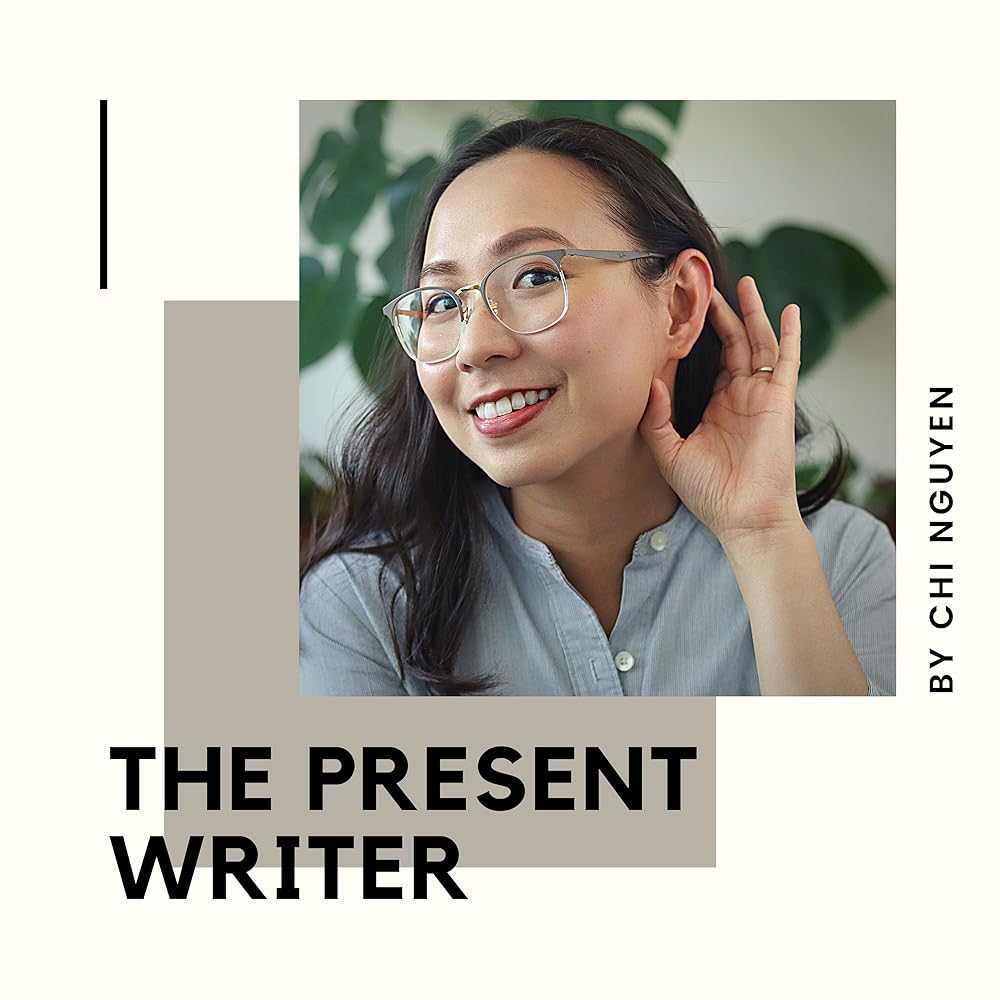
She is widely known for her gentle, logical, and highly practical writing style. Her content often focuses on:
- Self-development
- Life philosophy
- Learning
- Minimalism
- Time and financial management
What makes Chi Nguyen’s writing special is that she does not force readers to change immediately, but instead encourages them to reflect on their lifestyle and make choices that truly suit themselves. This was the first book that made me completely lose track of time while reading because of its engaging, gentle, and captivating writing style. I have never read a book that felt both so meaningful and so easy to read at the same time.
Nội dung chính của sách A Book About Minimalism
Minimalism is not only about decluttering
One of the most notable points of the book is that the author emphasizes that minimalism is not simply about throwing things away or living with as few possessions as possible.
According to Chi Nguyen, minimalism means:
- Understanding what truly matters to you
- Removing things that are no longer necessary
- Focusing on the core values of life
This mindset can be applied not only to material possessions, but also to:
- Time
- Work
- Relationships
- Social media usage
- Thoughts and emotions
Modern people are overloaded
The book clearly analyzes the overload that many people experience today:
- Too many possessions
- Too much information
- Too many choices
- Too much pressure to “succeed”
- Too many relationships
The author argues that owning too much does not necessarily make people happier. Instead, it can make them:
- More exhausted
- Less focused
- More disconnected from themselves
This is also why many people begin turning to minimalism as a way to restore balance in their lives.
Minimalism is a personal journey
One interesting aspect of the book is that Chi Nguyen does not provide a fixed formula for living minimally.
The author believes that:
- Each person has a different definition of “enough”
- Minimalism is not a competition to see who owns fewer things
- What matters most is living in alignment with your personal values
Because of this, the book feels more relatable and comforting rather than pressuring readers to completely transform their lives.
Key lessons from the book
“Less” does not mean deprivation
The book helps readers understand that:
- Reducing unnecessary things
- Does not mean living with less happiness
On the contrary, when people remove excess from their lives, they often gain:
- More time
- A lighter mind
- Better focus
Happiness does not come from owning too much
Chi Nguyen repeatedly mentions how modern society makes people easily associate happiness with material possessions.

However, the excitement from shopping or owning something new usually lasts only for a short time. Meanwhile, emotional stability and a sense of fulfillment often come from:
- Experiences
- Health
- Meaningful relationships
- Balance in life
Living intentionally is more important than following trends
The book does not encourage people to chase the “minimalism trend,” but instead encourages each person to identify:
- What they truly need
- What creates long-term value
- What is simply social pressure or temporary emotion
Review of A Book About Minimalism A Book About Minimalism
Strengths
- Easy to read and understand
- Gentle and logical writing style
- Many practical examples
- Not overly theoretical or extreme
- Suitable for beginners exploring minimalism
Points that may not suit some readers
- The pace of the book is quite calm and personal
- It does not focus deeply on academic theory or scientific research
However, this is also what makes the book approachable for a wide range of readers.
Who should read this book?
The book is suitable for:
- People who feel overwhelmed by life
- People who want to live more simply and peacefully
- People who often shop emotionally
- People who want to start learning about minimalism
Especially if you often feel:
- Too much pressure
- Difficulty concentrating
- Constantly busy but not truly at ease
Then this book may offer many meaningful perspectives to reflect on.
Conclusion
A Book About Minimalism by Chi Nguyen is not a book that teaches readers to “throw everything away,” but a book that encourages people to rethink the way they are living.
Through relatable and practical reflections, the book raises an important question: among all the things modern society pushes us to pursue, what is truly necessary?
The book does not impose a fixed lifestyle model, but gently guides readers through ordinary experiences so they can discover for themselves what “enough” really means. It is a soft and approachable perspective that can help readers begin their own minimalist journey in a personal way.
If you want to understand minimalism more deeply, you can also explore: Minimalism: Less, Happier and What is consumerism, the tragedy of modern people
—————
Linkachu — someone who battled weight issues for nearly 20 years and successfully experimented with a method of eating fully and nutritiously while still losing weight, without exercising.
Ready to accompany and support career orientation and development positioning for people aged 18–33..
This is my Facebook! LinkachuMC
Learn more about me at Linkachu.net


 English
  Vietnamese