We can observe a clear trend today: people own more, yet feel more overwhelmed than before.
Modern stress does not come only from work pressure, but also from having too many choices, too much information, and too many possessions to manage. This phenomenon is known as decision fatigue.
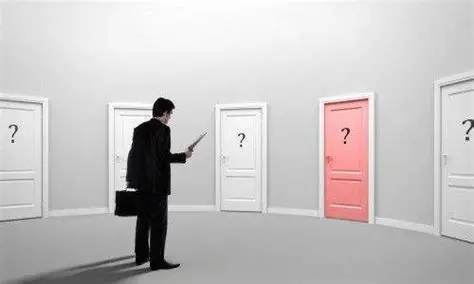
- In consumption, overconsumption leads many households to own hundreds of items but only use about 20–30% of them.
- In the digital environment, the average user is exposed to thousands of pieces of content daily through social media, which reduces attention span and memory retention.
- In work settings, many people engage in multitasking, but research shows it actually lowers cognitive performance.
From these issues, minimalism emerges as an approach aimed at reducing choice overload and eliminating noise in personal life.
In practice, this lifestyle is not just a passing trend. It is reflected in various behavioral studies and real-world cases:
- Marie Kondo’s KonMari method focuses on keeping only items that “spark joy” or have practical value.
- The concept of Digital Minimalism, popularized by Cal Newport, emphasizes reducing technology use to improve focus and mental clarity.
- Many young people in urban areas are shifting toward “living with less” to reduce costs, lower stress, and optimize their time.
From a behavioral science perspective, minimalism is not just a lifestyle choice, but a cognitive adjustment mechanism in response to information and material overload.
Minimalism
Minimalism is a life philosophy that focuses on removing unnecessary elements in order to optimize the core values of life. Unlike the common belief that minimalism simply means “living with less,” its true essence lies in intentional selectiveness.
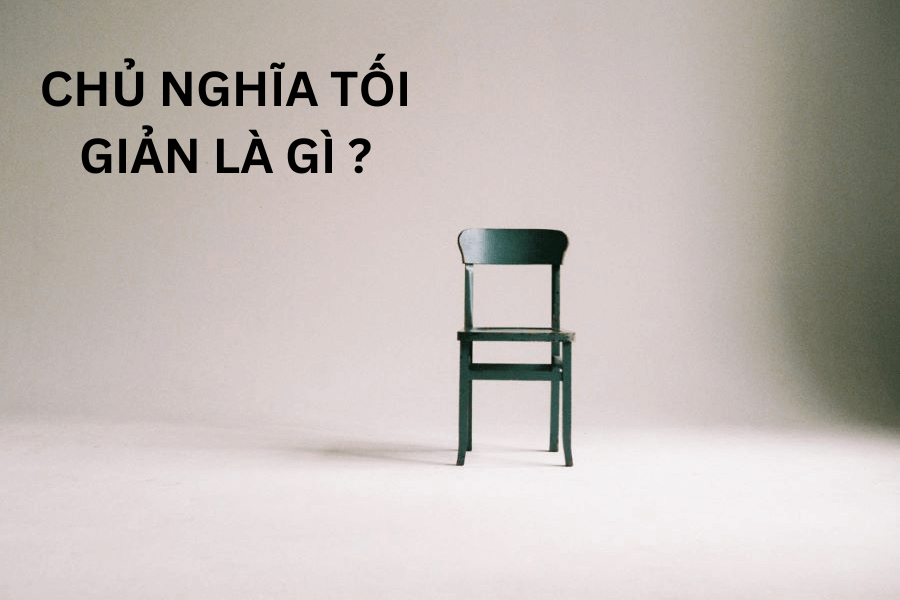
Minimalism can be analyzed through four main dimensions:
- Material: reducing unnecessary possessions
- Cognitive: reducing excessive information and unnecessary thoughts
- Time: eliminating activities that do not create value
- Social relationships: maintaining positive and sustainable relationships
From a psychological perspective, minimalism helps reduce cognitive load—the amount of mental processing the brain must handle each day.
Scientific Foundations
Minimalism is not only a personal lifestyle philosophy, but is also supported by various scientific principles.
The Brain’s Processing Limits
The human brain can only process a limited amount of information at one time. When overloaded, decision-making performance declines significantly.
Decision Fatigue
The more choices people face, the more likely they are to make poor decisions due to mental exhaustion from constant decision-making. This explains why many successful individuals tend to simplify their clothing, schedules, or daily routines.
Research in environmental psychology also shows that cluttered living spaces are associated with higher cortisol levels, the hormone related to stress.
Benefits of Minimalism
Minimalism offers many benefits that have been recognized in studies on cognitive psychology, consumer behavior, and time management science. These benefits are not merely subjective feelings, but are also grounded in how the human brain processes information and makes decisions.
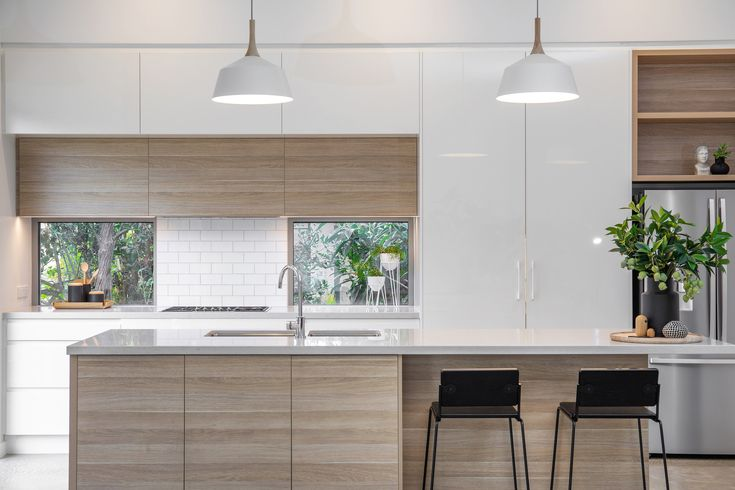
Cognitive Load Reduction
In cognitive psychology, cognitive load refers to the total amount of information the brain must process at a given moment. When a living or working environment contains too many objects, information sources, or stimuli, the brain has to divide its resources to process unnecessary elements.
Minimalism helps eliminate distractions, which can:
- Reduce the mental burden of processing irrelevant information
- Increase the ability to maintain focus
- Help the brain prioritize more important tasks
Improved Focus & Deep Work
Work performance is directly connected to the ability to maintain deep focus. When physical and digital environments are simplified, interruptions decrease significantly.
This leads to:
- Longer periods of uninterrupted concentration
- Fewer instances of task switching
- Improved quality of work output
Many productivity studies show that reducing interruptions can improve work efficiency by 20–40%, depending on the field.
Optimization of Personal Resources (Time, Money, Energy Efficiency)
Minimalism helps people allocate limited resources more effectively, including:
- Time: reducing time spent managing, cleaning, or shopping unnecessarily
- Money: limiting impulsive spending and purchases that do not create long-term value
- Mental energy: reducing stress caused by too many choices or unnecessary responsibilities
From a systems perspective, this is a process of optimizing personal resources by reducing waste.
Improved Decision-Making Efficiency
According to the theory of decision fatigue in behavioral psychology, every small decision consumes cognitive energy. As the number of choices increases, decision quality tends to decrease.
Minimalism helps
- Reduce the number of choices that need consideration
- Shorten decision-making time
- Increase consistency in long-term behaviors and choices
This is especially important in areas that require constant decision-making, such as work, finance, and personal life management. Fewer choices often make decisions faster and more accurate.
Common Misconceptions About Minimalism
Many people misunderstand minimalism when they first hear about it. In reality, it is a lifestyle that helps simplify life, not make it extreme or deprived.
Here are the three most common misconceptions:
Misconception 1: Minimalism means throwing everything away
Many people think minimalism means getting rid of almost everything in the house. But that is not true. Minimalism means keeping what is truly useful and removing what no longer adds value.
For example:
- You do not need to keep ten similar shirts
- But you still keep the items you regularly use and genuinely need
=> Tối giản là chọn lọc, không phải vứt bỏ cực đoan.
Misconception 2: Minimalism means living with less comfort
Some people believe minimalism means living with deprivation or discomfort. This is inaccurate. In reality, minimalism often makes life feel lighter, less stressful, and easier to manage.
For example:
- Fewer possessions → less cleaning
- Fewer choices → less decision fatigue
- Fewer unnecessary tasks → more free time
=> Tối giản là giúp cuộc sống nhẹ hơn, không phải khổ hơn.
Misconception 3: Minimalism is only about cleaning and decluttering
Many people think minimalism is simply organizing rooms or getting rid of items. But it goes far beyond that. Minimalism can also apply to:
- Thinking: reducing overthinking
- Work: eliminating unimportant tasks
- Phones and social media: reducing apps and mindless scrolling
- Relationships: keeping healthy relationships and limiting draining ones
Popular Types of Minimalism Today
Physical Minimalism
This is the most visible form of minimalism. It focuses on:
- Reducing unnecessary possessions at home
- Keeping only items that are truly needed
- Creating a cleaner and more organized living space
For example:
- Getting rid of clothes you no longer wear
- Not storing items that have not been used for a long time
- Keeping your living space open and easy to manage
Digital Minimalism
This type of minimalism is related to phones, social media, and technology.
It focuses on:
- Reducing time spent on social media
- Deleting or limiting unnecessary apps
- Turning off distracting notifications
For example:
- Not checking your phone constantly
- Using social media only during specific periods of the day
- Reducing exposure to unimportant information
=> Mục tiêu là giúp não bộ đỡ bị quá tải thông tin.
Financial Minimalism
This is a simpler and more intentional way of managing money.
It focuses on:
- Limiting unnecessary purchases
- Avoiding emotional spending
- Prioritizing expenses that create long-term value
For example:
- Not buying things just because you temporarily “feel like it”
- Focusing on things that are truly necessary for life
- Saving and investing with clear goals
=> Mục tiêu là giúp tài chính ổn định và bền vững hơn.
Mental Minimalism
This is one of the most important forms of minimalism, yet many people overlook it.
It focuses on:
- Reducing unnecessary negative thinking
- Limiting overthinking
- Being more selective about the information consumed daily
For example:
- Not overthinking things that have not happened yet
- Comparing yourself to others less often
- Focusing only on information that is genuinely useful
=> Mục tiêu là giúp tâm trí nhẹ hơn và rõ ràng hơn.
How to Start Practicing Minimalism

Start with your living environment
Sort belongings based on their level of necessity
Remove items that have not been used for 6–12 months
Simplify your schedule
Reduce activities that do not create clear value
Prioritize meaningful work instead of “fake busyness”
Simplify your digital environment
Reduce unnecessary applications
Turn off unimportant notifications
Limit social media usage time
Simplify social relationships
Maintain high-quality relationships
Reduce interactions that drain emotional energy
Signs That You Need a More Minimalist Lifestyle
- Difficulty concentrating for long periods
- Constantly feeling “busy but unproductive”
- Living or working spaces becoming easily cluttered
- Frequently buying things but rarely using them
- Persistent feelings of information overload
Conclusion
In summary, from the perspective of behavioral science and cognitive psychology, minimalism is a way for people to reduce overload caused by information, choices, and material possessions in modern life. It is not about “living with less,” but about removing unnecessary elements in order to improve decision-making quality, increase focus, and create a clearer life.
In an increasingly complex world, minimalism is not only a lifestyle, but also a long-term strategy for maintaining balance and sustainability.
If you want to understand minimalism more deeply from a practical and relatable perspective, you can read books by Chi Nguyen or explore The Present Writer – A Minimalist Blog that Maximizes Your LifeHer work does not force a rigid lifestyle model, but gently guides readers through everyday experiences to help them discover what is “enough” for themselves. It is a soft yet practical approach that can help you begin your own minimalist journey in a personal and sustainable way.
—————
Linkachu — someone who battled weight issues for nearly 20 years and successfully experimented with a method of eating fully and nutritiously while still losing weight, without exercising.
Ready to accompany and support career orientation and development positioning for people aged 18–33..
This is my Facebook! LinkachuMC
Learn more about me at Linkachu.net

 English
  Vietnamese