There’s something quite common today: many people don’t actually have a low income, yet by the end of the month, they still feel like their money has “disappeared,” with no savings at all. They work for years, earn a stable income, but still end up with nothing left.
Money usually doesn’t disappear because of one huge expense. Instead, it leaks away through many small daily purchases: a drink ordered “just for fun,” a few sale items bought because they seemed like a good deal, a trendy outfit worn only once, or decorative items bought impulsively just because they looked nice. Each purchase may not seem expensive, so it’s easy to ignore, but over months, they add up to a much larger amount than we realize.
What’s important is that most of these things are not bought because they are truly necessary. They are often bought because of stress, boredom, wanting to reward ourselves after a tiring day, feeling like “I deserve this,” fear of missing out on a good deal, seeing others own it and wanting the same, or simply because marketing makes us feel like we are missing something that could improve our lives.
Today, shopping platforms are almost designed to make it difficult for people to stop buying.

You only need to scroll through a few videos to see:
- something “everyone should own”
- a “best seller”
- something “that makes life easier”
- or a “limited-time deal only for today”
And if we are not mindful enough, we can easily spend emotionally while believing we are making reasonable financial decisions. That is exactly why a minimalist mindset becomes so important.
Minimalist mindset
Many people, when hearing about a minimalist lifestyle, often think it means getting rid of most belongings, living extremely frugally, or barely allowing themselves to buy anything. But in reality, minimalism is not about forcing yourself to live with less. It is about clearly understanding what is truly necessary for your current life and what only brings temporary excitement before quickly being forgotten.
A very simple example: instead of owning 10 shirts but still feeling like you have “nothing to wear” every morning, you may only need a few outfits that truly suit you, are easy to match, and are used regularly. Instead of constantly buying small things “just for fun,” that money could be saved for a trip, a course, an emergency fund, or a more important long-term financial goal.
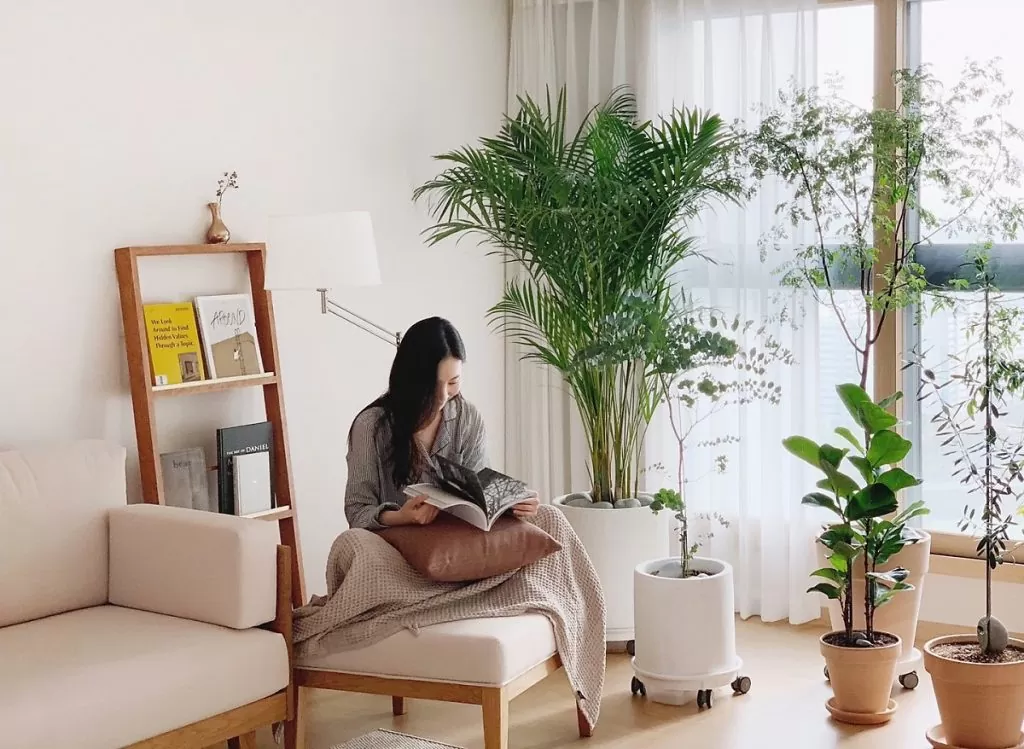
People who live minimally are not people who never spend money. They simply spend with more intention and clearly understand what truly brings long-term value to their lives.
Situations that make us spend more money than we realize
Sales that make us think we are saving money
This is one of the most common consumer traps. Many people buy things simply because:
- “the discount is too good”
- “I’ll regret it if I don’t buy it now”
- “it’s a much better deal than usual”
But think about it carefully: an item discounted from 1 million VND to 500 thousand VND is still a loss of 500 thousand VND if you do not truly need it. Many people open shopping apps just to browse for fun, but end up checking out a few items “while they’re at it.”

The problem is that the brain often feels like “I’m saving money,” when in reality, we are spending extra money on a need that did not even exist in the first place.
Marketing constantly makes us feel like we are not enough
Today, advertisements do not just sell products — they sell an image of a lifestyle. For example:
- a desk is not just a desk, but a “cozy aesthetic corner”
- a cup is not just for drinking water, but a “lifestyle”
- a skincare set is not just skincare, but “a prettier version of yourself”
This makes many people buy things not because of actual needs, but because of the feeling that they will become better after owning them. And sometimes, what we are really buying is not the product, but the emotion behind it.
Shopping to cope with emotions

After a tiring day, buying something new often creates a quick sense of comfort. That is why many people:
- shop when they feel sad
- place orders when stressed
- scroll shopping apps when bored
The brain releases dopamine — a short-term feeling of excitement after shopping. But the problem is that this feeling fades very quickly. After a few days, the item starts to feel ordinary, while the money has already left your account. If shopping becomes a regular way to cope with emotions, finances can easily spiral out of control without you even noticing.
Having too many things makes us keep buying more
It sounds contradictory, but the more things people own, the more likely they are to keep buying. When the house is filled with too many items:
- it becomes hard to remember what we already have
- we easily buy duplicates
- we continue buying “just in case”
That is why many people own a lot of clothes but still feel like they have “nothing to wear,” own many beauty products but keep buying more, or continue purchasing household items while old ones are still unused. Once the number of belongings exceeds our ability to manage them, it becomes harder to keep track of what we own and easier to spend unconsciously.
The more cluttered the space is, the harder it becomes to control spending habits.
Principles for saving money through a minimalist mindset
Only buy something when you clearly know when you will use it
Before buying something, ask yourself:
- When will I use it?
- How many times will I use it?
- If I do not buy this, will my life actually be affected?
- Will I need to spend extra time or money on matching accessories or repairs?
For example:
- Buying a beautiful dress without knowing where to wear it → it will most likely stay in the closet
- Buying more storage boxes while the house is already full of unused things → it only hides the clutter
Once you start questioning purchases before making them, emotional spending decreases significantly.
Always make a list before buying
This is a very small habit but extremely effective. Whenever you realize something is missing, write it down first and only buy exactly that item.
It sounds simple, but it helps prevent situations where you go to the supermarket for one thing and come home with an entire basket because of discounts or “interesting” items you did not plan to buy. It also saves a lot of time and mental energy by helping you avoid unnecessary advertisements and promotions.
People who spend with a plan usually save far more than those who shop based on impulse.
Don’t buy immediately
Many items only feel attractive in the moment. So for anything non-urgent, try waiting 24 to 72 hours before buying it.
After that period, you will more easily realize whether you truly need the item or if you were only attracted to the excitement of shopping itself.
Many people who apply this rule reduce a large amount of unnecessary spending.
Understand that every item has “hidden costs”
An item does not only cost money when you buy it. It also costs storage space, cleaning time, organizing time, and your attention.
For example:
- the more clothes you own → the more time you spend choosing outfits
- the more decor you own → the harder it is to clean
- the more random items you have → the faster the house becomes messy
That is why minimalism does not only save money — it also makes life feel much lighter.
Conclusion
People who have savings are not always those living extremely frugally. They are simply people who clearly understand what truly matters and what only brings short-term satisfaction. If you set a financial savings goal for yourself, that feeling of achievement will be far more rewarding than the temporary dopamine rush shopping gives you.
Once you begin spending with more intention, you will realize that many things you bought in the past were driven only by emotions, advertising, or habit. Having savings does not always start with earning more money — it often starts with stopping unnecessary things from entering your life.
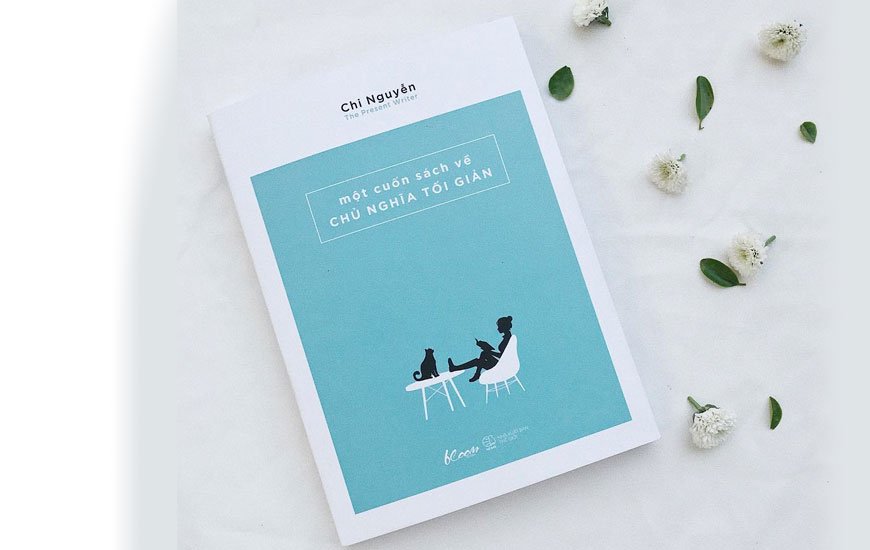
If you want to understand minimalism more deeply from a practical and relatable perspective, you can read books by Chi Nguyen or explore The Present Writer – A Minimalist Blog that Maximizes Your LifeHer work does not force a rigid lifestyle model, but gently guides readers through everyday experiences to help them discover what is “enough” for themselves. It is a soft yet practical approach that can help you begin your own minimalist journey in a personal and sustainable way.
—————
Linkachu — someone who battled weight issues for nearly 20 years and successfully experimented with a method of eating fully and nutritiously while still losing weight, without exercising.
Ready to accompany and support career orientation and development positioning for people aged 18–33..
This is my Facebook! LinkachuMC
Learn more about me at Linkachu.net

 English
  Vietnamese